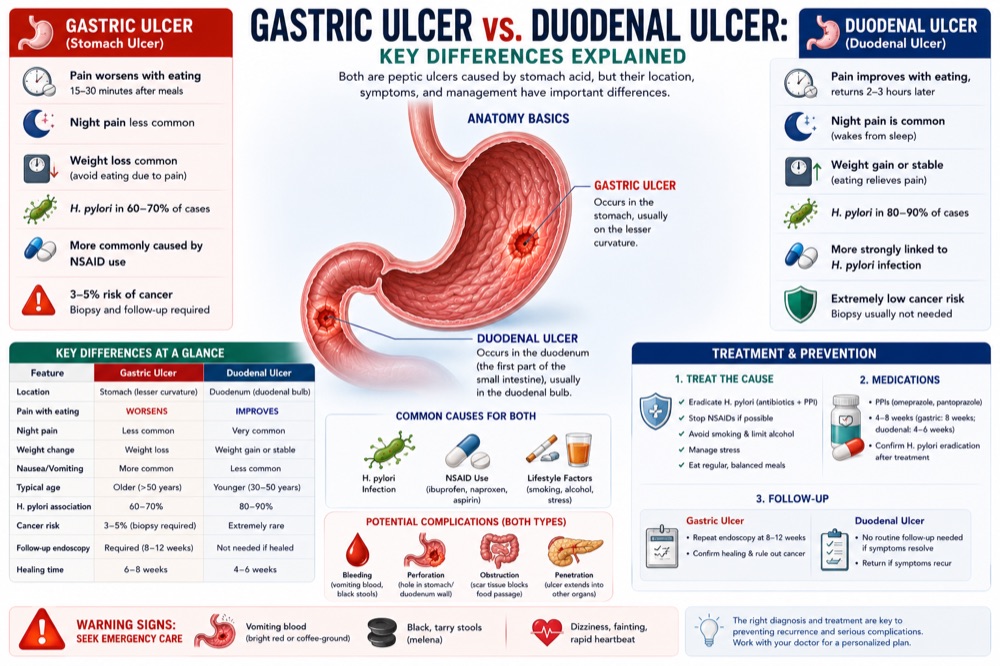
Peptic ulcers are not caused by stress alone. The big drivers are usually H. pylori and medication exposure. That is especially true with low acid snacks for gerd. Readers often expect one villain food, one magic test, or one supplement to explain everything. Real progress is usually quieter than that.
An ulcer is less like general irritation and more like a pothole in the lining. You need the cause fixed, not just a smoother ride. When you look at low acid snacks for gerd through that lens, the topic stops feeling random. You can sort what is normal adaptation, what deserves caution, and what is simply bad advice dressed up as confidence.
The contrarian point is worth saying early: Spicy food creates ulcers. It may sting, but it is rarely the root cause. The goal here is not a perfect gut routine. It is a workable plan you can repeat for two weeks, learn from, and discuss intelligently with your clinician if symptoms keep pushing back.
What matters first
Most articles on low acid snacks for gerd make the same mistake. They jump straight to fixes before they explain the mechanism. That leaves readers trying interventions without knowing what success should actually look like.
A better starting point is this: The practical framework is cause identification, acid suppression, medication review, and bleeding surveillance.
- People often forget to mention over-the-counter NSAIDs because they do not think they count as medication.
- The second pattern is stopping acid medicine as soon as pain improves.
- Dark stools get misread as something you ate. That can be dangerous.
Rice cake plus protein
Top rice cakes with peanut butter, turkey, or lactose-free cottage cheese if tolerated. The pairing slows digestion and keeps the snack from feeling flimsy.
Portable fruit and seeds
Use kiwi, clementines, grapes, or a small banana with pumpkin seeds or a measured nut portion if tolerated.
Yogurt or dairy-free cup
A simple single-serve option is more reliable than a so-called healthy bar loaded with chicory root and mystery fibers.
Savory box
Build a small box with crackers, cheese or tofu depending on the title, and cucumber or carrots. That gives you texture without chaos.
Emergency desk snack
Keep one boring backup at work or in your bag. Boring wins when the alternative is buying a trigger food because you waited too long.
Specifics that actually help
Foods to lean on
This is where practical eating beats theory. A reliable rotation of plain yogurt if tolerated, oatmeal, soft proteins, soups, bananas usually works better than hunting for one perfect superfood.
- Plain Yogurt If Tolerated: keep portions consistent enough to judge tolerance
- Oatmeal: keep portions consistent enough to judge tolerance
- Soft Proteins: keep portions consistent enough to judge tolerance
- Soups: keep portions consistent enough to judge tolerance
- Bananas: keep portions consistent enough to judge tolerance
- Low-Acid Meals During Healing: keep portions consistent enough to judge tolerance
Simple meals are not boring when they give you cleaner feedback. They are diagnostic tools you can eat.
Foods or habits that usually make things worse
- NSAIDs without guidance
- Smoking
- Heavy alcohol intake
The important nuance is dose. Some people tolerate a small amount of a borderline food inside a stable meal, then do badly with the same ingredient at restaurant size or in a rushed setting.
The two-week framework
-
Do build meals around reliable staples such as plain yogurt if tolerated, oatmeal, soft proteins, soups
-
Do protect sleep and hydration because both show up in symptom logs more than readers expect
-
Do use small experiments with clear start and stop points
-
Do ask for proper testing when symptoms are escalating instead of improvising harder
-
Do not let NSAIDs without guidance become your default
-
Do not build your routine around smoking and expect a calm Monday gut
-
Do not interpret one rough day as proof that the whole plan failed
-
Do not self-restrict until your diet collapses to five foods
-
black stool
-
vomiting blood
-
sudden severe pain
-
fainting
-
persistent vomiting
-
unexplained weight loss
Related reading
- Peptic Ulcer Symptoms: Recognizing the Warning Signs
- Peptic Ulcer Causes: H. pylori, NSAIDs, and More
- Peptic Ulcer Treatment: Medications, Diet, and Lifestyle Changes
- Peptic Ulcer Diet: Foods to Eat and Avoid for Healing
- Natural Remedies for Peptic Ulcers: Supporting Your Healing Journey
- Gastric Ulcer vs. Duodenal Ulcer: Understanding the Differences
Sources
- NIDDK - Definition & Facts for Peptic Ulcers - NIDDK - 2020 - https://www.niddk.nih.gov/health-information/digestive-diseases/peptic-ulcers-stomach-ulcers/definition-facts
- NIDDK - Treatment for Peptic Ulcers - NIDDK - 2020 - https://www.niddk.nih.gov/health-information/digestive-diseases/peptic-ulcers-stomach-ulcers/treatment
- NHS - Stomach ulcer - NHS - 2023 - https://www.nhs.uk/conditions/stomach-ulcer/
- Mayo Clinic - Peptic ulcer - Mayo Clinic - 2025 - https://www.mayoclinic.org/diseases-conditions/peptic-ulcer/symptoms-causes/syc-20354223
- ACG - Helicobacter pylori guideline update - ACG - 2024 - https://gi.org/topics/irritable-bowel-syndrome/journals-publications/ebgi/schoenfeld_sep2024/
- NIDDK - Symptoms & Causes of Peptic Ulcers - NIDDK - 2020 - https://www.niddk.nih.gov/health-information/digestive-diseases/peptic-ulcers-stomach-ulcers/symptoms-causes