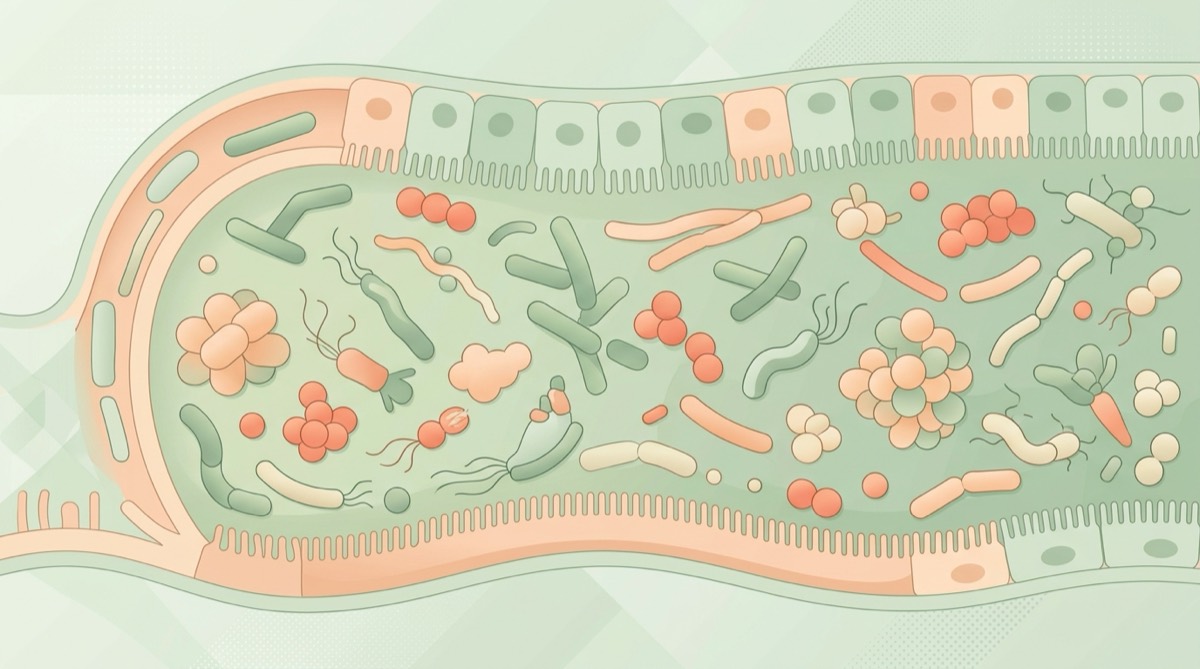
The same fiber that helps one gut can overwhelm another if the dose, type, or speed is wrong. That is especially true with soluble vs. insoluble fiber. Readers often expect one villain food, one magic test, or one supplement to explain everything. Real progress is usually quieter than that.
Fiber works like training load in a gym. Progress happens when you increase gradually, not when you max out on day one. When you look at soluble vs. insoluble fiber through that lens, the topic stops feeling random. You can sort what is normal adaptation, what deserves caution, and what is simply bad advice dressed up as confidence.
The contrarian point is worth saying early: Constipation always needs more bran. That advice causes trouble more often than people admit. The goal here is not a perfect gut routine. It is a workable plan you can repeat for two weeks, learn from, and discuss intelligently with your clinician if symptoms keep pushing back.
What matters first
Most articles on soluble vs. insoluble fiber make the same mistake. They jump straight to fixes before they explain the mechanism. That leaves readers trying interventions without knowing what success should actually look like.
A better starting point is this: A good ramp is 3 to 5 extra grams every 4 to 7 days, with fluid and symptom tracking alongside it.
- The gut almost never likes a 15-gram jump overnight.
- Soluble fiber tends to be tolerated better than raw roughage in many sensitive guts.
- People usually track grams poorly, but they remember foods. Start there.
Where the differences really matter
Symptom overlap misleads people all the time. Bloating, pain, diarrhea, fatigue, reflux, and urgency have a frustrating habit of appearing in conditions with very different mechanisms.
The practical difference is not academic. It changes the test you choose, the diet advice you give, the mistakes you avoid, and how strict long-term management needs to be.
| Feature | Soluble | Insoluble Fiber |
|---|---|---|
| Mechanism | Different trigger or disease process | Different trigger or disease process |
| Common clue | Pattern, timing, and test context matter | Pattern, timing, and test context matter |
| Best next step | Targeted history plus the right test | Targeted history plus the right test |
How to keep the overlap from fooling you
- Look at timing, not just symptom name
- Ask what makes the symptom reproducible
- Separate immune reactions from enzyme problems and from functional gut sensitivity
- Use testing to confirm the mechanism when the distinction changes management
The two-week framework
-
Do build meals around reliable staples such as kiwi, oats, chia, psyllium
-
Do protect sleep and hydration because both show up in symptom logs more than readers expect
-
Do use small experiments with clear start and stop points
-
Do ask for proper testing when symptoms are escalating instead of improvising harder
-
Do not let instant high-dose fiber become your default
-
Do not build your routine around high fiber without water and expect a calm Monday gut
-
Do not interpret one rough day as proof that the whole plan failed
-
Do not self-restrict until your diet collapses to five foods
-
new constipation with bleeding
-
severe abdominal pain
-
vomiting
-
weight loss
-
black stool
-
fainting
-
persistent vomiting
-
unexplained weight loss
Related reading
- Fiber for Gut Health: The Truth About Dietary Fiber and Digestion
- High-Fiber Foods for a Healthy Gut: A Comprehensive List
- How Much Fiber Do You Really Need for Optimal Gut Health?
- Fiber Supplements for Gut Health: Are They Right for You?
- Fiber and the Gut Microbiome: Fueling Your Beneficial Bacteria
- Gradual Fiber Increase: Avoiding Digestive Discomfort
FAQs
Why does soluble vs. insoluble fiber get confused so often?
Because many gut conditions share the same symptom vocabulary. Mechanism, timing, and the right test are what separate them.
Sources
- Mayo Clinic - Dietary fiber: Essential for a healthy diet - Mayo Clinic - 2025 - https://www.mayoclinic.org/healthy-lifestyle/nutrition-and-healthy-eating/in-depth/fiber/art-20043983
- NHS - How to get more fibre into your diet - NHS - 2023 - https://www.nhs.uk/live-well/eat-well/food-types/fibre-in-your-diet/
- Harvard T.H. Chan - Fiber - Harvard - 2024 - https://nutritionsource.hsph.harvard.edu/carbohydrates/fiber/
- USDA - Dietary Guidelines for Americans - USDA - 2025 - https://www.dietaryguidelines.gov/
- NIDDK - Constipation nutrition - NIDDK - 2020 - https://www.niddk.nih.gov/health-information/digestive-diseases/constipation/eating-diet-nutrition
- CDC - Healthy eating basics - CDC - 2024 - https://www.cdc.gov/healthy-weight-growth/healthy-eating/index.html