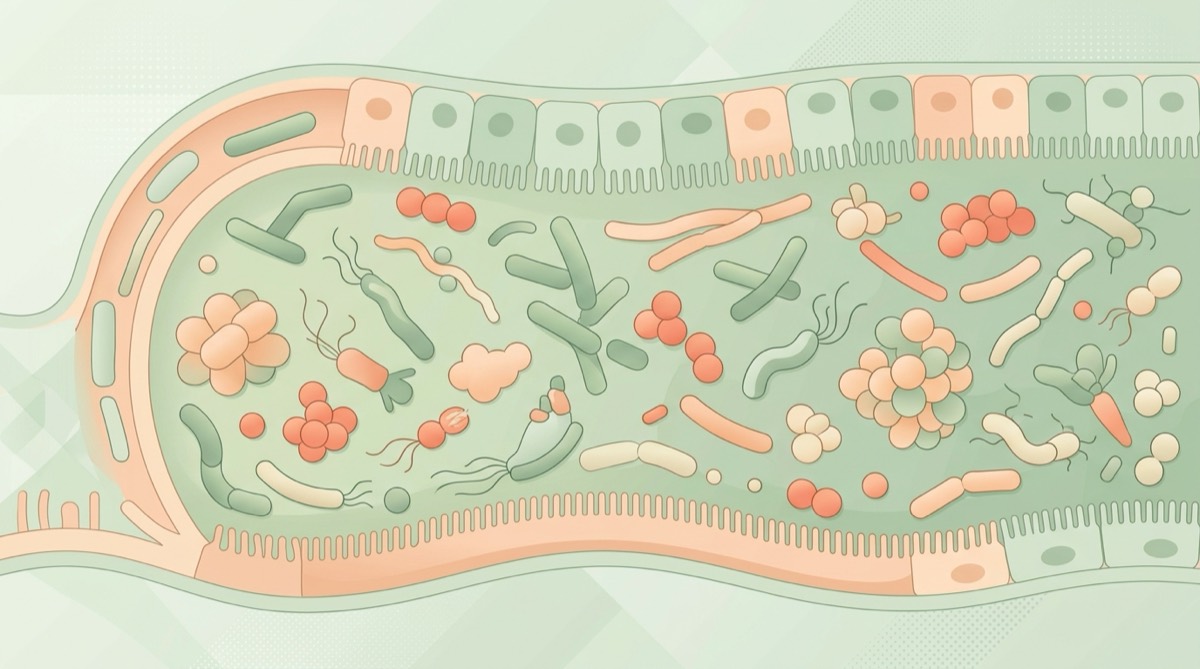
Herbs can be useful in gut care, but they behave more like tools than identity badges. The right herb at the wrong time is still the wrong herb. That is especially true with licorice root for gut healing. Readers often expect one villain food, one magic test, or one supplement to explain everything. Real progress is usually quieter than that.
Herbs are like spices in a recipe. A pinch can help. A scoop can ruin the dish. When you look at licorice root for gut healing through that lens, the topic stops feeling random. You can sort what is normal adaptation, what deserves caution, and what is simply bad advice dressed up as confidence.
The contrarian point is worth saying early: If it is plant-based, it is automatically safe. That is not how pharmacology works. The goal here is not a perfect gut routine. It is a workable plan you can repeat for two weeks, learn from, and discuss intelligently with your clinician if symptoms keep pushing back.
What matters first
Most articles on licorice root for gut healing make the same mistake. They jump straight to fixes before they explain the mechanism. That leaves readers trying interventions without knowing what success should actually look like.
A better starting point is this: Trial one herb at a time, track symptoms for 10 to 14 days, and check medication interactions first.
- Peppermint oil helps cramping for some people and worsens reflux for others. That split is common.
- People often use ginger at tiny decorative doses and expect prescription-level results.
- Licorice and aloe cause trouble when the product form is not understood.
Specifics that actually help
The practical list
Useful building blocks in this area include peppermint tea, fresh ginger, turmeric in food, chamomile tea, simple meals during trials. The most common problems are not exotic. They are usually portion creep, poor timing, dehydration, and trying to troubleshoot six variables at once.
- Use peppermint tea in measured, repeatable portions
- Use fresh ginger in measured, repeatable portions
- Use turmeric in food in measured, repeatable portions
- Use chamomile tea in measured, repeatable portions
- Use simple meals during trials in measured, repeatable portions
The two-week framework
-
Do build meals around reliable staples such as peppermint tea, fresh ginger, turmeric in food, chamomile tea
-
Do protect sleep and hydration because both show up in symptom logs more than readers expect
-
Do use small experiments with clear start and stop points
-
Do ask for proper testing when symptoms are escalating instead of improvising harder
-
Do not let herb stacking become your default
-
Do not build your routine around ignoring medication interactions and expect a calm Monday gut
-
Do not interpret one rough day as proof that the whole plan failed
-
Do not self-restrict until your diet collapses to five foods
-
bleeding
-
persistent vomiting
-
weight loss
-
severe pain
-
black stool
-
fainting
-
unexplained weight loss
Related reading
- Aloe Vera for Gut Health: Soothing and Healing Properties
- Slippery Elm for Gut Healing: A Natural Demulcent
- Marshmallow Root for Gut Health: Calming Digestive Discomfort
- Turmeric for Gut Health: Anti-Inflammatory Powerhouse
- Ginger for Gut Health: A Natural Digestive Aid
- Herbal Remedies for Gut Health: Natural Support for Digestive Issues
FAQs
Sources
- NCCIH - Herbal medicine overview - NCCIH - 2024 - https://www.nccih.nih.gov/health/herbal-medicine
- NCCIH - Peppermint oil - NCCIH - 2024 - https://www.nccih.nih.gov/health/peppermint-oil
- NCCIH - Ginger - NCCIH - 2024 - https://www.nccih.nih.gov/health/ginger
- NCCIH - Turmeric - NCCIH - 2024 - https://www.nccih.nih.gov/health/turmeric
- Mayo Clinic - Herbal supplements safety - Mayo Clinic - 2025 - https://www.mayoclinic.org/healthy-lifestyle/consumer-health/in-depth/herbal-supplements/art-20046488
- NIDDK - Digestive diseases overview - NIDDK - 2024 - https://www.niddk.nih.gov/health-information/digestive-diseases