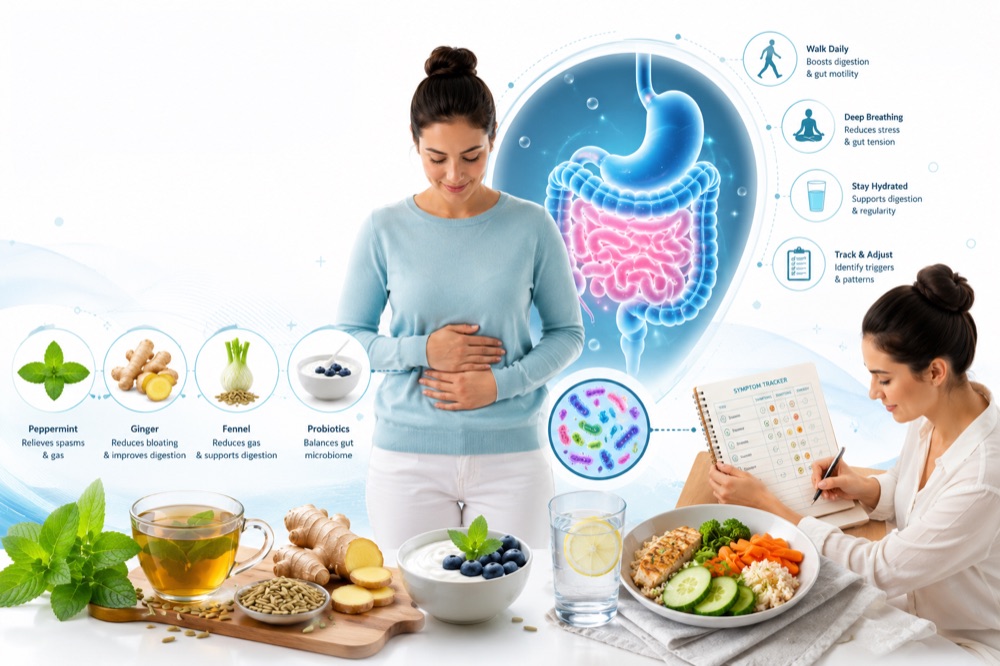
Diverticulitis pain can be miserable. The constant ache in your lower left abdomen, the cramping, the bloating—it can keep you doubled over and unable to think about anything else.
You want relief. But not all pain medications are safe for diverticulitis. Some can make it WORSE and even cause life-threatening complications.
This guide covers what you CAN take for diverticulitis pain, what you should AVOID, home remedies that actually help, and when pain means you need emergency care.
Understanding Diverticulitis Pain
Why Does Diverticulitis Hurt?
Understanding the cause helps you understand why certain treatments work:
| Cause of Pain | What’s Happening | Type of Pain |
|---|---|---|
| Inflammation | Infected diverticula become swollen and irritated | Constant, aching, tender to touch |
| Muscle spasm | Colon muscles clamp down around inflamed area | Cramping, colicky pain |
| Pressure | Swelling narrows colon, stool can’t pass easily | Pressure, fullness, bloating |
| Nerve irritation | Inflammation刺激s nearby nerves | Sharp, shooting pain |
| Complications | Abscess, perforation, obstruction | Severe, worsening, constant pain |
Typical Pain Pattern
| Location | Left lower quadrant (LLQ) - where sigmoid colon is located |
|---|---|
| Quality | Constant, aching (NOT crampy like gas) |
| Severity | Moderate to severe (usually 5-8/10) |
| Progression | Worsens over hours to days (not fleeting) |
| Radiation | May radiate to back, groin, or rectum |
| Tenderness | Area is tender when pressed; may hurt to release pressure (rebound tenderness) |
| What makes it worse | Movement, coughing, eating, bowel movements |
| What makes it better | Lying still, heat, passing gas (sometimes), antibiotics (over time) |
Important note: In Asian populations, diverticulitis more commonly affects the RIGHT side, so pain may be on the right instead of left.
Safe Pain Medications for Diverticulitis
FIRST CHOICE: Acetaminophen (Tylenol, Paracetamol)
Safety Rating: SAFE - First-line choice for diverticulitis pain
| Aspect | Details |
|---|---|
| How it works | Blocks pain signals in brain; reduces fever |
| Typical dose | 500-1000 mg every 6 hours as needed |
| Maximum daily dose | 3000-4000 mg per day (varies by formulation) |
| Onset of action | 30-60 minutes |
| Duration | 4-6 hours |
| Side effects | Generally well-tolerated; liver damage at high doses |
| Safe with antibiotics | Yes - no interactions with common diverticulitis antibiotics |
Dosing guidelines:
| Product | Strength | Dosing |
|---|---|---|
| Regular Strength Tylenol | 325 mg per tablet | 2 tablets every 6 hours |
| Extra Strength Tylenol | 500 mg per tablet | 2 tablets every 6 hours |
| Generic acetaminophen | 500 mg per tablet | 2 tablets every 6 hours |
| Extended Relief (650 mg) | 650 mg per caplet | 2 caplets every 8 hours |
Important safety notes:
- Don’t exceed 3000-4000 mg per day (check product labeling)
- Avoid alcohol while taking (increases liver damage risk)
- Many cold/flu products contain acetaminophen—don’t double dose
- Safe for most people with kidney disease (unlike NSAIDs)
- Talk to doctor if you have liver disease
PRESCRIPTION OPTIONS (Discuss with Doctor)
Antispasmodics
For cramping and colicky pain:
| Medication | Dose | How It Works | Notes |
|---|---|---|---|
| Hyoscyamine (Levsin) | 0.125-0.25 mg every 4 hours as needed | Relaxes colon muscle spasms | Take 30-60 min before meals; can cause dry mouth, blurred vision |
| Dicyclomine (Bentyl) | 10-20 mg 4 times daily | Relaxes colon muscle spasms | May cause drowsiness; avoid driving until you know how it affects you |
| Hyoscine (Scopolamine) | 0.3-0.6 mg as needed | Relaxes smooth muscle | Available as patch for motion sickness; oral form for GI spasms |
When to use: Best for cramping pain, not constant inflammatory pain.
Mild Opioids (Short-term, Severe Pain Only)
For severe pain not controlled by other medications:
| Medication | Dose | Notes |
|---|---|---|
| Tramadol | 50-100 mg every 6 hours as needed | Weaker opioid; still causes constipation |
| Codeine/Acetaminophen (Tylenol #3) | 1-2 tablets every 6 hours | Causes constipation; use sparingly |
| Hydrocodone/Acetaminophen (Norco, Vicodin) | 5-10 mg every 6 hours | For severe pain only; causes constipation |
Important warnings:
- Opioids cause CONSTIPATION, which can worsen diverticulitis
- Should only be used short-term (few days)
- May mask worsening symptoms
- Generally AVOIDED unless pain is severe and other options fail
- Never drive or operate machinery while taking
Medications to AVOID with Diverticulitis
⚠️ NSAIDs (Non-Steroidal Anti-Inflammatory Drugs)
Safety Rating: UNSAFE - Associated with serious complications
Why to avoid:
| Risk | Details |
|---|---|
| Increased bleeding risk | NSAIDs impair platelet function; can cause diverticular bleeding |
| Increased perforation risk | Studies show 2-3x higher risk of colon perforation |
| Delayed healing | May impair tissue repair |
| Kidney stress | Especially dangerous if dehydrated from diverticulitis |
Studies show:
- Regular NSAID users have 2-3x higher risk of diverticular bleeding
- NSAID use associated with higher risk of perforation and abscess
- Risk increases with dose and duration of use
NSAIDs to AVOID:
| Medication | Brand Names |
|---|---|
| Ibuprofen | Advil, Motrin, Nuprin |
| Naproxen | Aleve, Naprosyn, Anaprox |
| Aspirin (for pain) | Bayer, Bufferin, Ecotrin |
| Diclofenac | Voltaren, Cataflam |
| Celecoxib | Celebrex |
| Meloxicam | Mobic |
| Indomethacin | Indocin |
Exception: Low-dose aspirin (81 mg) for heart protection may be continued if prescribed by cardiologist. Discuss with your doctor—don’t stop on your own.
⚠️ Corticosteroids
Safety Rating: USE WITH CAUTION - Only if prescribed for other conditions
| Risk | Details |
|---|---|
| Masked symptoms | Can hide fever and pain, delaying diagnosis |
| Increased perforation risk | Steroids impair healing and immune response |
| Increased infection severity | Immune suppression makes infections worse |
If you take steroids for other conditions:
- Don’t stop suddenly (can cause adrenal crisis)
- Your doctor may adjust dose during acute diverticulitis
- Monitor closely for complications
⚠️ Medications That Cause Constipation
Constipation worsens diverticulitis by increasing colon pressure.
| Medication Type | Examples | What to Do |
|---|---|---|
| Opioid pain medications | Codeine, oxycodone, hydrocodone | Use stool softener; minimize use |
| Some antidepressants | Amitriptyline, nortriptyline | Discuss alternatives with doctor |
| Anticholinergics | Some bladder medications, antihistamines | Review necessity with doctor |
| Iron supplements | Ferrous sulfate, ferrous gluconate | Consider lower dose or different formulation |
| Calcium supplements | Calcium carbonate | Take with food; consider citrate form |
| Some blood pressure meds | Verapamil, other calcium channel blockers | Don’t stop; add fiber and fluids |
Home Remedies for Diverticulitis Pain
1. Heat Therapy
How it helps:
- Increases blood flow to area
- Relaxes muscle spasms
- Reduces pain perception
- Provides comfort
How to use:
| Method | Instructions | Duration |
|---|---|---|
| Heating pad | Set on low-medium; place on painful area | 15-20 minutes at a time; repeat as needed |
| Hot water bottle | Fill with warm (not scalding) water; wrap in towel | 15-20 minutes |
| Warm compress | Soak towel in warm water; wring out; apply | 10-15 minutes |
| Warm bath | Sit in tub with warm water | 15-20 minutes |
Safety tips:
- Never apply heat directly to skin (use towel barrier)
- Don’t use while sleeping (risk of burns)
- Check skin regularly for redness
- Don’t use if you have decreased sensation (diabetes, neuropathy)
When NOT to use heat:
- If you have fever (heat can trap heat in body)
- If abdomen is rigid or extremely tender (could worsen inflammation)
2. Positioning for Comfort
Certain positions can reduce pressure on the inflamed colon:
| Position | How to Do It | Why It Helps |
|---|---|---|
| Fetal position | Lie on side (usually left), knees drawn up to chest | Reduces tension on abdominal muscles; may relieve pressure |
| Left side-lying | Lie on left side with pillow between knees | May reduce pressure on sigmoid colon |
| Semi-reclined | Prop up with pillows at 30-45 degree angle | Reduces abdominal pressure; easier breathing |
| Knees-to-chest | Lie on back, bring knees to chest gently | Can help release trapped gas |
Tips:
- Use pillows for support (between knees, under head, under abdomen)
- Change positions every 30-60 minutes to prevent stiffness
- Find what works for YOU—everyone is different
3. Breathing and Relaxation Techniques
How it helps:
- Reduces muscle tension
- Activates parasympathetic nervous system (rest-and-digest)
- Decreases pain perception
- Reduces anxiety about pain
Deep Breathing Exercise:
- Sit or lie in comfortable position
- Place one hand on chest, one on belly
- Breathe in slowly through nose (count to 4)
- Feel belly rise (not chest)
- Hold breath (count to 4)
- Exhale slowly through mouth (count to 6)
- Repeat for 5-10 minutes
Progressive Muscle Relaxation:
- Start with your toes—tense for 5 seconds, then relax
- Move to feet—tense, then relax
- Continue up through legs, buttocks, abdomen, chest, arms, shoulders, face
- Finish with deep breaths
When to use: During painful episodes, before bed, or whenever pain causes anxiety.
4. Clear Liquid Diet (During Acute Pain)
How it helps:
- Rests the bowel
- Reduces colon contractions
- Prevents dehydration
- Provides some calories while healing
What to consume:
| Allowed | Benefits |
|---|---|
| Water | Hydration; essential for healing |
| Broth (chicken, beef, vegetable) | Electrolytes; some protein; soothing |
| Apple juice (no pulp) | Quick energy; gentle on gut |
| White grape juice | Gentle; provides calories |
| Herbal tea (peppermint, ginger, chamomile) | Soothing; peppermint has mild antispasmodic effect |
| Gelatin | Easy calories; soothing |
| Ice pops (no fruit pieces) | Hydration; cooling |
How long: 24-48 hours during peak pain, then advance as tolerated.
5. Gentle Movement
Paradox: While rest is important, complete immobility can worsen constipation and gas.
| Activity | How It Helps | Guidelines |
|---|---|---|
| Short walks | Stimulates bowel motility; prevents blood clots | 5-10 minutes around house; stop if pain worsens |
| Gentle stretching | Reduces muscle tension; improves circulation | Avoid deep bends or twists |
| Position changes | Prevents stiffness; may help gas move | Every 30-60 minutes |
Avoid during acute pain:
- Heavy lifting
- Strenuous exercise
- Abdominal exercises
- High-impact activities
6. Peppermint Tea or Oil
How it helps:
- Menthol has mild antispasmodic effect
- Reduces colon muscle spasms
- Soothes digestive tract
- May reduce gas
How to use:
| Form | Instructions |
|---|---|
| Peppermint tea | Steep 1 tea bag in hot water 5-10 minutes; drink 2-3 cups daily |
| Peppermint oil capsules (enteric-coated) | 0.2-0.4 ml (180-225 mg) 2-3 times daily before meals |
| Peppermint essential oil | Dilute in carrier oil; apply to abdomen (avoid undiluted) |
Cautions:
- May worsen acid reflux in some people
- Enteric-coated capsules work best (survive stomach acid)
- Don’t use undiluted essential oil on skin
7. Ginger for Nausea and Pain
How it helps:
- Anti-inflammatory properties
- Reduces nausea (common with diverticulitis)
- May have mild pain-relieving effect
- Soothes digestive tract
How to use:
| Form | Instructions |
|---|---|
| Fresh ginger tea | Slice 1-2 inches fresh ginger; steep in hot water 10 minutes; add honey if tolerated |
| Ginger chews | 1-2 pieces as needed for nausea |
| Ginger capsules | 500-1000 mg up to 4 times daily |
| Crystallized ginger | Small piece (1/4 inch) chewed slowly |
8. Chamomile for Pain and Anxiety
How it helps:
- Mild antispasmodic effect
- Calming; reduces anxiety about pain
- Anti-inflammatory properties
- May promote sleep (important for healing)
How to use:
| Form | Instructions |
|---|---|
| Chamomile tea | Steep 1 tea bag 5-10 minutes; drink 2-4 cups daily |
| Chamomile tincture | 1-2 ml (30-60 drops) in water up to 4 times daily |
| Chamomile capsules | 400-1600 mg daily in divided doses |
Cautions:
- May interact with blood thinners (warfarin)
- Avoid if allergic to ragweed
- Generally very safe
Medical Treatments for Pain
Antibiotics (Treat the Cause)
Most important: Antibiotics treat the INFECTION causing the pain. Pain relief follows as inflammation decreases.
Typical timeline with antibiotics:
| Time After Starting Antibiotics | What to Expect |
|---|---|
| 24 hours | Pain may still be significant; fever should start decreasing |
| 48 hours | Pain should begin decreasing; noticeable improvement |
| 72 hours | Significant improvement; pain much more manageable |
| 5-7 days | Most pain resolved; may have mild tenderness |
| 10-14 days | Full resolution of pain (for uncomplicated cases) |
If pain isn’t improving after 48-72 hours:
- Contact your doctor
- May need different antibiotics
- May need CT scan to rule out complications
- May need hospitalization
IV Pain Medication (Hospital Setting)
If hospitalized for diverticulitis:
| Medication | How Given | Notes |
|---|---|---|
| IV acetaminophen (Ofirmev) | 1000 mg IV every 6 hours | Direct pain relief; no GI side effects |
| IV Toradol (ketorolac) | Sometimes used briefly | NSAID—controversial; some hospitals avoid |
| IV opioids (morphine, fentanyl) | For severe pain only | Carefully monitored; constipation prevention essential |
| Patient-Controlled Analgesia (PCA) | Patient presses button for dose | Allows patient to control pain relief within safe limits |
Nerve Blocks (Rare, Severe Cases)
For intractable pain not responding to other treatments:
| Type | How It Works |
|---|---|
| Epidural anesthesia | Numbs nerves to lower abdomen |
| Transversus abdominis plane (TAP) block | Local anesthetic injected into abdominal wall |
Rarely needed for diverticulitis; reserved for extreme cases.
Pain Management by Severity
Mild Pain (3-4/10)
Can manage at home:
| Intervention | Details |
|---|---|
| Acetaminophen | 500-1000 mg every 6 hours |
| Heat therapy | Heating pad 15-20 minutes |
| Clear liquids | Rest the bowel |
| Rest | Lie in comfortable position |
| Deep breathing | For relaxation and muscle tension |
Call doctor if: Pain persists >24 hours, fever develops, pain worsens
Moderate Pain (5-7/10)
Needs medical evaluation:
| Intervention | Details |
|---|---|
| Medical evaluation | See doctor within 24 hours |
| Antibiotics | Prescription needed |
| Acetaminophen | Scheduled dosing (not just as needed) |
| Antispasmodic | May be prescribed (Levsin, Bentyl) |
| Clear to full liquids | Advance as tolerated |
| Heat and positioning | For comfort |
Go to ER if: Fever >101°F, pain worsening rapidly, can’t keep liquids down
Severe Pain (8-10/10)
Medical emergency:
| Intervention | Details |
|---|---|
| Emergency evaluation | Go to ER immediately |
| IV fluids | For hydration |
| IV antibiotics | Broad-spectrum |
| IV pain medication | Carefully monitored |
| CT scan | Rule out complications |
| Possible surgery | If perforation, abscess, or obstruction |
DO NOT wait at home with severe pain. This could indicate perforation, abscess, or other life-threatening complication.
When Pain Means Emergency
Red Flag Pain Characteristics
| Pain Feature | Why It’s Concerning | Action |
|---|---|---|
| Sudden, severe onset | Could indicate perforation | Go to ER immediately |
| Rigid, board-like abdomen | Classic sign of peritonitis | Go to ER immediately |
| Pain so severe you can’t stand up straight | Severe inflammation or complication | Go to ER immediately |
| Pain with high fever (>101.5°F) | Serious infection | Go to ER immediately |
| Pain with repeated vomiting | Possible obstruction | Go to ER immediately |
| Pain with inability to pass gas or stool | Possible obstruction | Go to ER immediately |
| Pain that wakes you from sleep | Severe inflammation | Go to ER if severe |
| Pain with confusion or fainting | Possible sepsis | Call 911 |
Expected Pain Timeline
Uncomplicated Diverticulitis (Treated at Home)
| Day | Pain Level | What’s Happening |
|---|---|---|
| Day 1 | 7-9/10 | Peak pain; inflammation at maximum |
| Day 2 | 6-8/10 | Starting antibiotics; pain still significant |
| Day 3 | 5-7/10 | Noticeable improvement; fever should be gone |
| Day 4-5 | 4-6/10 | Continuing improvement; advancing diet |
| Day 7 | 3-5/10 | Antibiotics completed; mild tenderness may remain |
| Day 10-14 | 0-2/10 | Full recovery; occasional mild twinges possible |
Complicated Diverticulitis (Hospitalized)
| Day | Pain Level | What’s Happening |
|---|---|---|
| Day 1-2 | 8-10/10 | Hospitalization; IV antibiotics; pain managed with IV medications |
| Day 3-4 | 6-8/10 | Starting to improve; may add oral pain meds |
| Day 5-7 | 5-7/10 | May be discharged; continuing oral antibiotics |
| Day 10-14 | 4-6/10 | Recovering at home; pain decreasing |
| Week 3-4 | 2-4/10 | Near full recovery; some tenderness possible |
| Week 4-6 | 0-2/10 | Full recovery |
The GutFeel Approach
Tracking pain helps you:
- Know what’s normal for your recovery
- Identify concerning patterns early
- Communicate effectively with your doctor
- Know when to seek emergency care
GutFeel AI helps you log:
- Pain level (1-10 scale)
- Pain location
- What makes it better or worse
- Associated symptoms (fever, nausea, bowel changes)
- Medications taken and effectiveness
This data helps you and your doctor make informed decisions about your care.
FAQs
How long does diverticulitis pain last?
With treatment, pain typically starts improving within 48-72 hours and resolves within 1-2 weeks for uncomplicated cases. Complicated cases may take 4-6 weeks for full resolution.
Can I take ibuprofen for diverticulitis pain?
NO. Ibuprofen and other NSAIDs increase the risk of bleeding and perforation in diverticulitis. Use acetaminophen (Tylenol) instead.
What’s the best over-the-counter pain reliever for diverticulitis?
Acetaminophen (Tylenol) is the safest and most effective over-the-counter option for diverticulitis pain.
Does heat help diverticulitis pain?
Yes. Heat therapy (heating pad, warm compress) can help relax muscle spasms and reduce pain. Use for 15-20 minutes at a time.
Why is my diverticulitis pain worse after eating?
Eating stimulates colon contractions, which can irritate inflamed diverticula. This is why a liquid diet is recommended during acute flares—to rest the bowel.
Can gas cause diverticulitis pain?
Gas can worsen diverticulitis pain, but diverticulitis pain is typically constant (not crampy like gas). If pain is primarily crampy and relieved by passing gas, it may be IBS or simple gas, not diverticulitis.
What if pain medication doesn’t help?
If acetaminophen doesn’t provide relief after 48-72 hours of antibiotics, contact your doctor. You may need different treatment or evaluation for complications.
Can I use a heating pad while sleeping?
No. Don’t use heating pads while sleeping due to burn risk. Use before bed, then turn off.
Is it normal to have pain after antibiotics are finished?
Mild tenderness can persist for a few days after completing antibiotics. However, significant or worsening pain needs medical evaluation.
Can diverticulitis pain come and go?
Typical diverticulitis pain is CONSTANT and worsens over time. Pain that comes and goes (intermittent) may be IBS, gas, or another condition. However, some people do experience “smoldering diverticulitis” with lower-grade intermittent symptoms.
Key Takeaways
- Acetaminophen (Tylenol) is the safest pain reliever for diverticulitis—500-1000 mg every 6 hours
- AVOID NSAIDs (ibuprofen, naproxen, aspirin)—they increase bleeding and perforation risk
- Heat therapy helps —heating pad 15-20 minutes at a time
- Antibiotics treat the cause —pain improves as infection clears (48-72 hours)
- Clear liquid diet rests the bowel during acute pain
- Positioning matters —fetal position, left side-lying may provide relief
- Severe pain (8-10/10) needs emergency evaluation —could indicate perforation or abscess
- Expected timeline: Improvement within 48-72 hours; resolution within 1-2 weeks
- Antispasmodics (Levsin, Bentyl) can help with cramping component
- Track your pain —knowing what’s normal helps you catch complications early
Sources
- NIDDK. “Treatment for Diverticular Disease.” 2023.
- AGA Institute. “Medical Management of Colonic Diverticulitis.” Gastroenterology. 2021.
- Strate LL, et al. “NSAID Use Increases the Risk of Diverticular Bleeding and Diverticulitis.” Gastroenterology. 2011.
- Morris AM, et al. “NSAIDs, Acetaminophen, and Risk of Diverticular Disease and Diverticulitis.” American Journal of Gastroenterology. 2020.
- NHS. “Diverticular Disease and Diverticulitis: Treatment.” 2024.
- Mayo Clinic. “Diverticulitis: Diagnosis & Treatment.” 2024.
- Cleveland Clinic. “Diverticulitis: Management and Treatment.” 2024.
- American College of Gastroenterology. “ACG Clinical Guideline: Management of Acute Diverticulitis.” 2020.
- UpToDate. “Acute Colonic Diverticulitis in Adults: Treatment.” 2024.
- National Center for Complementary and Integrative Health (NCCIH). “Peppermint Oil.” 2024.