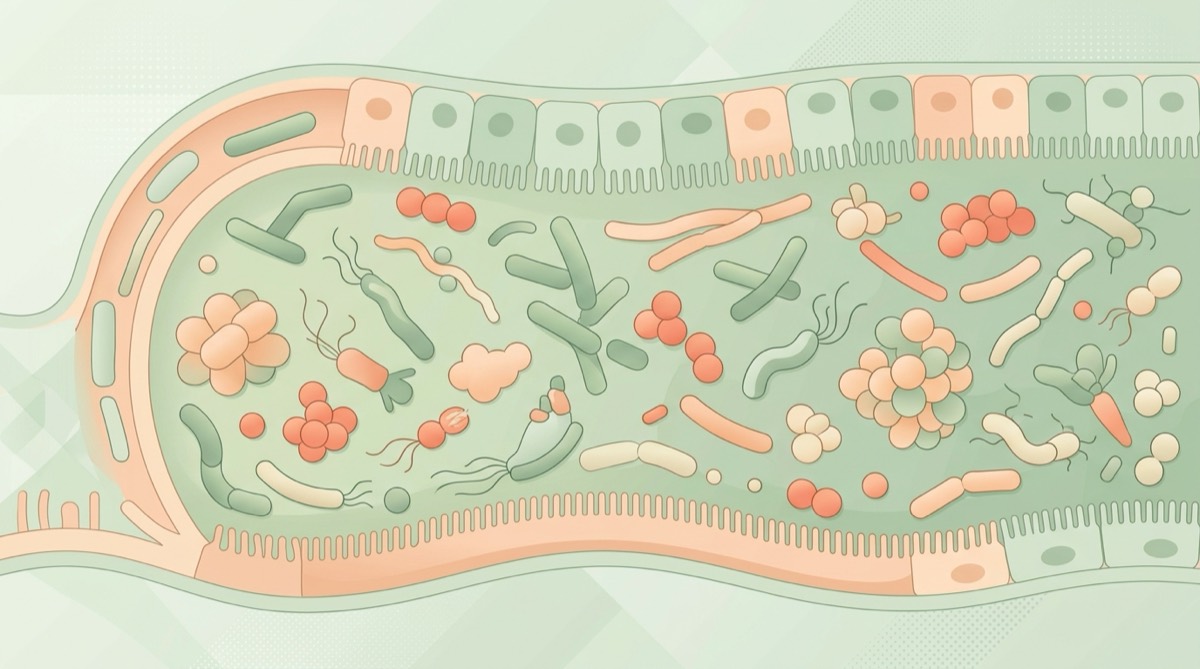
IBS is one of the few conditions where normal scans can coexist with miserable symptoms. That does not make it trivial. That is especially true with cognitive behavioral therapy (cbt) for ibs. Readers often expect one villain food, one magic test, or one supplement to explain everything. Real progress is usually quieter than that.
IBS is like a car alarm with a low threat threshold. The signal is real, even when the trigger is small. When you look at cognitive behavioral therapy (cbt) for ibs through that lens, the topic stops feeling random. You can sort what is normal adaptation, what deserves caution, and what is simply bad advice dressed up as confidence.
The contrarian point is worth saying early: IBS is just stress. Stress matters, but it is only one lever. The goal here is not a perfect gut routine. It is a workable plan you can repeat for two weeks, learn from, and discuss intelligently with your clinician if symptoms keep pushing back.
What matters first
Most articles on cognitive behavioral therapy (cbt) for ibs make the same mistake. They jump straight to fixes before they explain the mechanism. That leaves readers trying interventions without knowing what success should actually look like.
A better starting point is this: Use the Bristol Stool Chart, a 14-day meal log, and a symptom score from 0 to 10.
- The people who improve fastest usually stop changing five things at once.
- Another pattern is portion size. Half a trigger food may be manageable when a full serving is not.
- The best logs include timing. Breakfast at 7:15 a.m. tells us more than breakfast sometime in the morning.
How this usually presents
A symptom is only useful when you pin it to a pattern. What time does it happen? Does it wake you at night? Does it come with stool change, appetite loss, fever, or bleeding? That is the detail that moves the discussion forward.
Common ways this shows up
- Timing after meals versus symptoms that build later in the day
- Pain, bloating, urgency, or stool change traveling together rather than alone
- Short-lived flares after a trigger versus symptoms that become daily background noise
- Changes in appetite, sleep, energy, or weight that quietly signal a bigger problem
What can mimic it
Many digestive complaints share the same symptom vocabulary. IBS, infections, inflammatory disease, medication effects, food intolerance, constipation, reflux, gallbladder disease, and anxiety can all produce overlapping pain or bowel changes. That is why the phrase ‘it feels the same’ can be misleading.
Red flags that change the plan
- rectal bleeding
- weight loss
- iron deficiency
- symptoms that wake you from sleep
- symptoms that wake you from sleep
- rapid dehydration
- new symptoms that keep escalating instead of settling
The two-week framework
-
Do build meals around reliable staples such as low FODMAP swaps, peppermint tea, oats, kiwi
-
Do protect sleep and hydration because both show up in symptom logs more than readers expect
-
Do use small experiments with clear start and stop points
-
Do ask for proper testing when symptoms are escalating instead of improvising harder
-
Do not let large onion and garlic loads become your default
-
Do not build your routine around chaotic meal timing and expect a calm Monday gut
-
Do not interpret one rough day as proof that the whole plan failed
-
Do not self-restrict until your diet collapses to five foods
-
rectal bleeding
-
weight loss
-
iron deficiency
-
symptoms that wake you from sleep
-
black stool
-
fainting
-
persistent vomiting
-
unexplained weight loss
Related reading
- Irritable Bowel Syndrome (IBS) Demystified: Symptoms, Diagnosis, and Effective Management Strategies
- The Link Between Bloating, Gas, and IBS: What You Need to Know
- Anti-Inflammatory Diet for IBS: Soothing Your Digestive System
- Top 10 Low FODMAP Snack Ideas for IBS Sufferers
- Delicious Low FODMAP Dinner Recipes for IBS Relief
- Healthy Snacks for IBS Sufferers: Avoid Triggers & Enjoy
FAQs
Sources
- NIDDK - Definition & Facts for IBS - NIDDK - 2023 - https://www.niddk.nih.gov/health-information/digestive-diseases/irritable-bowel-syndrome/definition-facts
- ACG - ACG Clinical Guideline: Management of IBS - American Journal of Gastroenterology - 2021 - https://journals.lww.com/ajg/Fulltext/2021/01000/ACG_Clinical_Guideline__Management_of_Irritable.11.aspx
- NHS - Irritable bowel syndrome (IBS) - NHS - 2024 - https://www.nhs.uk/conditions/irritable-bowel-syndrome-ibs/
- Mayo Clinic - Irritable bowel syndrome - Mayo Clinic - 2025 - https://www.mayoclinic.org/diseases-conditions/irritable-bowel-syndrome/symptoms-causes/syc-20360016
- Johns Hopkins Medicine - FODMAP Diet: What You Need to Know - Johns Hopkins - 2024 - https://www.hopkinsmedicine.org/health/wellness-and-prevention/fodmap-diet-what-you-need-to-know
- Monash University - Starting the Low FODMAP Diet - Monash - 2024 - https://www.monashfodmap.com/about-fodmap-and-ibs/about-fodmap-and-ibs/ibs-central/i-have-ibs/starting-the-low-fodmap-diet/