You get bloated after eating bread. You’re constantly tired. Your stomach hurts after pasta. But what’s actually causing your symptoms?
Is it celiac disease? Non-celiac gluten sensitivity (NCGS)? A wheat allergy? Or something else entirely?
These conditions share similar symptoms but have vastly different causes, diagnostic processes, health risks, and treatment requirements. Getting the right diagnosis isn’t just about having a label—it’s about understanding your actual health risks and getting the right treatment.
Here’s why this matters: Untreated celiac disease can lead to osteoporosis, infertility, neurological conditions, and increased cancer risk. Wheat allergy can cause life-threatening anaphylaxis. Non-celiac gluten sensitivity, while uncomfortable, doesn’t cause the same long-term damage.
This guide breaks down exactly what each condition is, how they’re diagnosed, key differences in symptoms, and what treatment really looks like for each.
Quick Comparison: At a Glance
| Feature | Celiac Disease | Non-Celiac Gluten Sensitivity (NCGS) | Wheat Allergy |
|---|---|---|---|
| Type | Autoimmune disorder | Sensitivity/intolerance | IgE-mediated allergy |
| What happens | Gluten triggers immune attack on small intestine | Gluten causes symptoms without autoimmune damage | Immune system reacts to wheat proteins |
| Prevalence | ~1% of population | Estimated 0.5-13% (varies by study) | ~0.2-1% of adults |
| Onset | Can develop at any age | Any age | Most common in children |
| Genetic link | Strong (HLA-DQ2/DQ8 genes) | Not well-defined | May run in families |
| Intestinal damage | Yes (villous atrophy) | No | No |
| Long-term complications | Osteoporosis, lymphoma, infertility, malnutrition | None known | Anaphylaxis (acute) |
| Diagnosis | Blood tests + endoscopy biopsy | Diagnosis of exclusion (rule out celiac & allergy) | Skin prick test, IgE blood test |
| Treatment | Strict, lifelong gluten-free diet | Gluten reduction based on tolerance | Wheat-free diet (epinephrine for reactions) |
| Can you cheat? | No—even trace amounts cause damage | Varies by individual | No—risk of severe reaction |
Celiac Disease: Autoimmune Disorder
What Is Celiac Disease?
Celiac disease is a chronic autoimmune disorder where ingestion of gluten (a protein found in wheat, barley, and rye) triggers an immune response that attacks the small intestine’s lining.
When someone with celiac disease eats gluten:
- The immune system mistakenly identifies gluten as a threat
- Antibodies (tTG-IgA) are produced
- These antibodies attack the tissue transglutaminase enzyme
- The villi (finger-like projections in the small intestine) become damaged or flattened
- Nutrient absorption is impaired
Celiac Disease Symptoms
Digestive Symptoms:
- Chronic diarrhea or constipation
- Abdominal bloating and gas
- Stomach pain and cramping
- Nausea and vomiting
- Pale, foul-smelling stools (steatorrhea)
- Unexplained weight loss
Non-Digestive Symptoms (Often Overlooked):
- Iron-deficiency anemia (unresponsive to supplements)
- Chronic fatigue
- Brain fog
- Depression or anxiety
- Joint pain
- Osteoporosis or osteopenia
- Elevated liver enzymes
- Infertility or recurrent miscarriage
- Dermatitis herpetiformis (itchy, blistering rash)
- Mouth ulcers
- Headaches or migraines
- Peripheral neuropathy (numbness/tingling)
In Children:
- Failure to thrive (poor growth)
- Delayed puberty
- Irritability
- Dental enamel defects
- Short stature
How Celiac Disease Is Diagnosed
Step 1: Blood Tests (Must be eating gluten)
- tTG-IgA (tissue transglutaminase antibody) – primary screening test
- Total Serum IgA – rules out IgA deficiency
- EMA-IgA (endomysial antibody) – confirmation test
- DGP (deamidated gliadin peptide) – used in some cases
Step 2: Endoscopy with Biopsy
- 4-6 small tissue samples taken from small intestine
- Pathologist examines for villous atrophy (Marsh classification)
- Confirms or rules out celiac diagnosis
Step 3: Genetic Testing (Sometimes)
- HLA-DQ2 and HLA-DQ8 testing
- Negative result essentially rules out celiac disease
- Positive result doesn’t diagnose (30-40% of population has these genes)
CRITICAL: You MUST be eating gluten (1-2 slices of bread daily) for 6-8 weeks before testing for accurate results.
Celiac Disease Treatment
- Strict, lifelong gluten-free diet (no wheat, barley, rye)
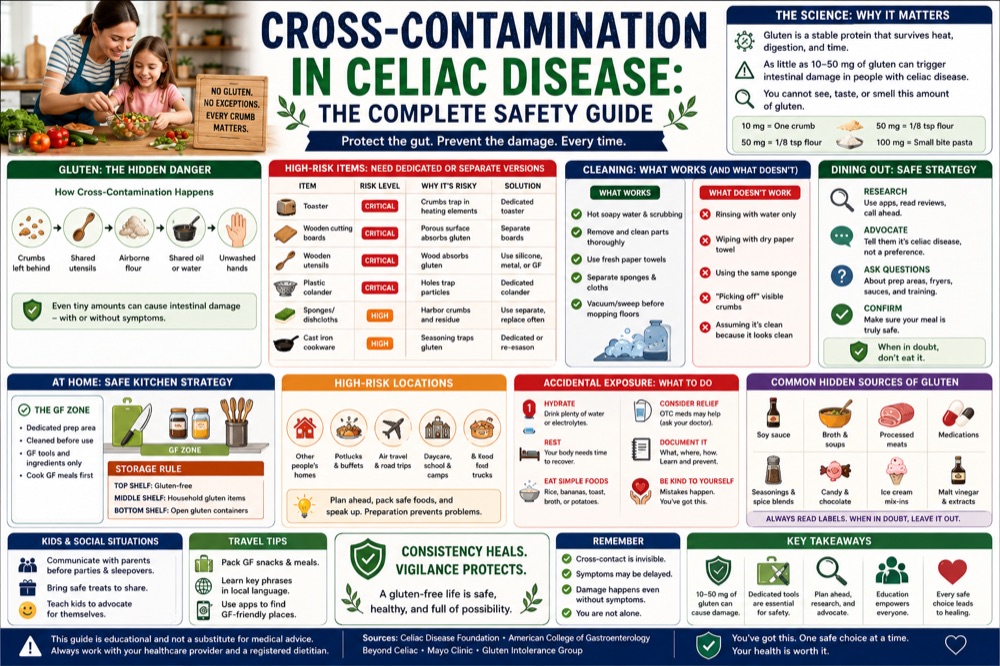
- Avoid cross-contamination (dedicated toaster, separate condiments, etc.)
- Regular follow-up blood tests (tTG-IgA at 3-6 months, 12 months, then annually)
- Nutritional supplementation for deficiencies (iron, vitamin D, B12, calcium)
- Family screening (first-degree relatives should be tested)
Long-Term Health Risks if Untreated
- Malnutrition and nutrient deficiencies
- Osteoporosis and fractures
- Infertility and pregnancy complications
- Increased risk of certain cancers (intestinal lymphoma)
- Neurological conditions
- Other autoimmune diseases (type 1 diabetes, thyroid disease)
Non-Celiac Gluten Sensitivity (NCGS): The Controversial Condition
What Is Non-Celiac Gluten Sensitivity?
Non-celiac gluten sensitivity (also called non-celiac wheat sensitivity or gluten sensitivity) is a condition where people experience symptoms after eating gluten without the autoimmune intestinal damage seen in celiac disease.
Key facts:
- NCGS is NOT an allergy
- NCGS does NOT cause intestinal damage
- NCGS does NOT have the same long-term health risks as celiac disease
- There is NO definitive diagnostic test for NCGS
NCGS Symptoms
Symptoms overlap significantly with celiac disease but may also include:
Digestive Symptoms:
- Bloating and gas
- Abdominal pain
- Diarrhea or constipation
- Nausea
Systemic Symptoms:
- “Foggy mind” (difficulty concentrating)
- Headache
- Fatigue
- Joint and muscle pain
- Numbness in legs, arms, or hands
- Skin rash (eczema-like)
- Depression or anxiety
- Anemia (less common than in celiac)
Timing: Symptoms typically appear hours to days after gluten ingestion and resolve when gluten is removed from the diet.
How NCGS Is Diagnosed
NCGS is a diagnosis of exclusion, meaning other conditions must be ruled out first:
Step 1: Rule Out Celiac Disease
- Complete celiac blood panel (while still eating gluten)
- Endoscopy with biopsy if blood tests are positive or borderline
- If celiac tests are negative, proceed to Step 2
Step 2: Rule Out Wheat Allergy
- Skin prick test or IgE blood test
- If negative, proceed to Step 3
Step 3: Rule Out Other Conditions
- IBS (Irritable Bowel Syndrome)
- SIBO (Small Intestinal Bacterial Overgrowth)
- Inflammatory Bowel Disease (Crohn’s, Ulcerative Colitis)
- FODMAP intolerance
Step 4: Gluten Elimination and Challenge
- Follow strict gluten-free diet for 4-6 weeks
- Track symptom improvement
- Reintroduce gluten under medical supervision
- If symptoms return with gluten and resolve without it, NCGS is likely
The FODMAP Connection
Important: Some people who think they have NCGS may actually be sensitive to FODMAPs (fermentable carbohydrates) found in wheat, not gluten itself.
- Wheat contains fructans (a type of FODMAP)
- Low-FODMAP diet may help people who don’t improve on gluten-free diet alone
- Working with a dietitian can help identify true triggers
NCGS Treatment
- Individualized gluten reduction (not always strict elimination)
- Some people tolerate small amounts; others need complete avoidance
- Focus on overall gut health (fiber, probiotics, stress management)
- Consider low-FODMAP diet if gluten-free alone doesn’t help
- No risk of cross-contamination damage (unlike celiac disease)
Wheat Allergy: IgE-Mediated Immune Response
What Is a Wheat Allergy?
A wheat allergy is an IgE-mediated immune response to one or more proteins found in wheat. Unlike celiac disease (autoimmune) or NCGS (sensitivity), wheat allergy involves the production of IgE antibodies.
Wheat Allergy Symptoms
Symptoms typically appear within minutes to 2 hours after wheat exposure:
Mild to Moderate Symptoms:
- Hives, skin rash, or itching
- Swelling of lips, tongue, or throat
- Nasal congestion or runny nose
- Sneezing
- Headache
- Coughing or wheezing
- Nausea, vomiting, or diarrhea
Severe Symptoms (Anaphylaxis – Medical Emergency):
- Difficulty breathing or swallowing
- Tightness in throat
- Swelling of tongue
- Rapid heartbeat
- Drop in blood pressure
- Dizziness or fainting
- Loss of consciousness
Types of Wheat Allergy
| Type | Description |
|---|---|
| Classic food allergy | Reaction to eating wheat |
| Food-dependent, exercise-induced anaphylaxis (FDEIA) | Reaction only when wheat is followed by exercise |
| Respiratory allergy | Reaction to inhaling wheat flour (baker’s asthma) |
| Contact urticaria | Skin reaction from touching wheat |
How Wheat Allergy Is Diagnosed
Skin Prick Test:
- Small amount of wheat protein placed on skin
- Skin is pricked to allow protein entry
- Raised bump indicates allergy
IgE Blood Test:
- Measures wheat-specific IgE antibodies
- Useful if skin test isn’t possible
Oral Food Challenge:
- Done under medical supervision
- Patient eats increasing amounts of wheat
- Monitored for reaction
- Gold standard for diagnosis
Important: Unlike celiac testing, you do NOT need to be eating wheat before allergy testing.
Wheat Allergy Treatment
- Strict wheat avoidance (not necessarily barley or rye)
- Read all food labels carefully
- Carry epinephrine auto-injector (EpiPen) at all times
- Antihistamines for mild reactions
- Emergency action plan for severe reactions
- Many children outgrow wheat allergy by adolescence
Key Differences: Treatment and Daily Management
Diet Comparison
| Aspect | Celiac Disease | NCGS | Wheat Allergy |
|---|---|---|---|
| Avoid | Wheat, barley, rye, contaminated oats | Gluten (varies by person) | Wheat only |
| Cross-contamination risk | Critical—even crumbs cause damage | Personal tolerance | Risk of allergic reaction |
| Dining out | Requires strict protocols | Easier—some tolerance possible | Requires allergen awareness |
| Label reading | Must check for all gluten sources | Check for gluten | Check for wheat |
| Can eat barley/rye? | No | Sometimes (if tolerated) | Yes (unless also allergic) |
| Oats | Certified GF only | Usually tolerated | Usually tolerated |
Can You Ever “Cheat”?
Celiac Disease: NO. Even tiny amounts of gluten cause intestinal damage, whether you feel symptoms or not. There is no safe “cheat day.”
NCGS: Varies. Some people tolerate occasional gluten; others need strict avoidance. It’s about symptom management, not preventing damage.
Wheat Allergy: NO. Even small amounts can trigger a severe allergic reaction. However, barley and rye are typically safe (unless also allergic).
Conditions That Mimic Celiac and NCGS
Several other conditions can cause similar symptoms:
When to See a Doctor
Seek medical evaluation if you experience:
- Persistent digestive symptoms (more than 2-3 weeks)
- Unexplained weight loss
- Blood in stool
- Severe abdominal pain
- Signs of nutrient deficiencies (fatigue, brittle nails, hair loss)
- Family history of celiac disease or autoimmune conditions
- Symptoms that interfere with daily life
Important: DO NOT start a gluten-free diet before getting tested for celiac disease. This can cause false-negative results and delay proper diagnosis.
Diagnostic Journey: What to Expect
If You Suspect Celiac Disease
- Primary care visit – Discuss symptoms, family history
- Celiac blood panel – Must be eating gluten
- Gastroenterology referral – If blood tests positive
- Endoscopy with biopsy – Confirms diagnosis
- Dietitian consultation – Learn gluten-free diet
- Follow-up testing – 3-6 months, 12 months, then annually
If Celiac and Allergy Tests Are Negative
- Discuss NCGS – Diagnosis of exclusion
- Consider FODMAP sensitivity – Trial low-FODMAP diet
- Evaluate for IBS or SIBO – Additional testing if indicated
- Work with dietitian – Identify personal triggers
- Individualized diet plan – Based on tolerance
Frequently Asked Questions
Key Takeaways
- Celiac disease is an autoimmune disorder with serious long-term health risks if untreated—proper diagnosis is critical
- NCGS causes symptoms without intestinal damage—diagnosed only after ruling out celiac and wheat allergy
- Wheat allergy is an IgE-mediated immune response—can cause life-threatening anaphylaxis
- Don’t go gluten-free before testing—this can cause false-negative celiac results
- Symptoms overlap significantly—only proper testing can distinguish between conditions
- Treatment differs significantly—celiac requires strict lifelong avoidance; NCGS allows individualization
- Other conditions can mimic gluten issues—FODMAP intolerance, IBS, and SIBO should be considered
Medical Review: This content has been reviewed for accuracy against current guidelines from the American College of Gastroenterology, Celiac Disease Foundation, and American Academy of Allergy, Asthma & Immunology.
Sources:
- American College of Gastroenterology - Celiac Disease Clinical Guidelines - 2025
- Celiac Disease Foundation - What is Celiac Disease? - 2026
- Mayo Clinic - Non-Celiac Gluten Sensitivity - 2025
- American Academy of Allergy, Asthma & Immunology - Wheat Allergy - 2025
- Gastroenterology Journal - NCGS Diagnosis Consensus - 2024
- Beyond Celiac - Celiac Disease vs. Gluten Sensitivity - 2026
Last Updated: March 9, 2026