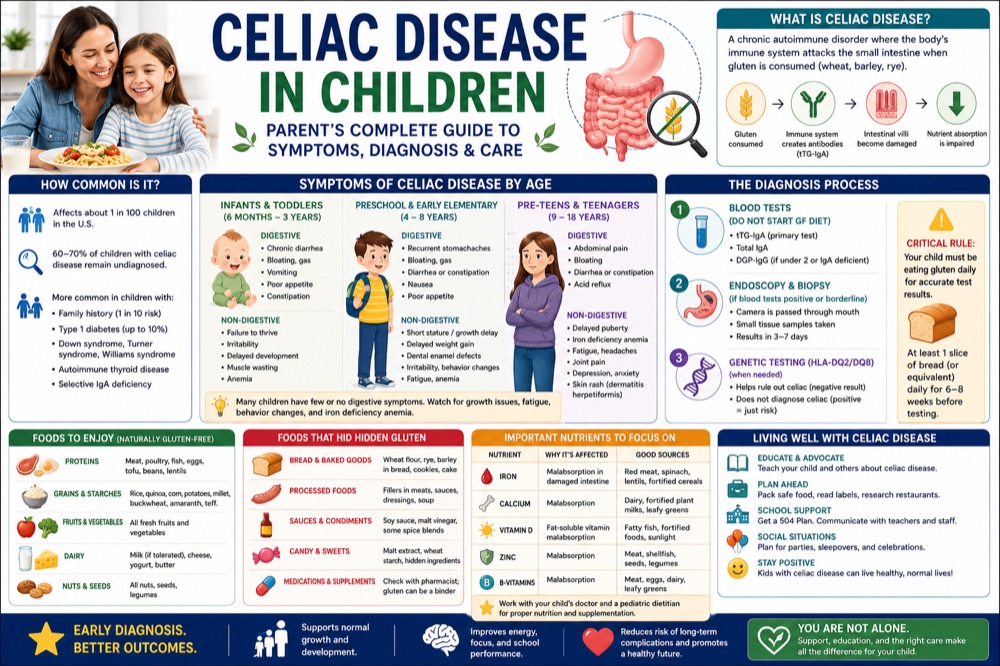
Receiving a celiac disease diagnosis changes everything about how you think about food. One moment, bread is breakfast. The next, it’s a threat to your health. The transition can feel overwhelming, isolating, and exhausting all at once.
Here’s what you need to know from the start: Living gluten-free is not just manageable—it can become second nature. Thousands of people with celiac disease navigate restaurants, family dinners, travel, and social events successfully every single day. This guide will show you exactly how to join them.
Unlike typical diet advice found online, this guide is built on current medical guidelines from the Celiac Disease Foundation, Mayo Clinic, and gastroenterology research. Every recommendation prioritizes your safety, nutritional adequacy, and quality of life.
Understanding Celiac Disease: Why a Strict Gluten-Free Diet Is Non-Negotiable
Celiac disease is not a food allergy or sensitivity—it’s an autoimmune disorder. When someone with celiac disease consumes gluten, their immune system attacks the small intestine’s lining, damaging the villi (tiny finger-like projections responsible for nutrient absorption).
What Happens When You Consume Gluten with Celiac Disease?
| Response Type | Symptoms | Intestinal Damage |
|---|---|---|
| Immediate reaction | Diarrhea, bloating, abdominal pain, fatigue | Yes |
| Delayed reaction | Brain fog, joint pain, mood changes (hours to days later) | Yes |
| No noticeable symptoms | None felt | Still occurs |
Critical point: Even if you don’t feel symptoms, gluten exposure causes intestinal damage in celiac disease. There is no “safe cheat day.” No “just one bite.” The autoimmune response happens regardless of whether you feel it.
How Much Gluten Is Dangerous?
Research shows that as little as 50 milligrams of gluten per day (about 1/8th of a teaspoon of bread) can cause intestinal damage in people with celiac disease. This tiny amount is roughly equivalent to:
- One crumb from a shared cutting board
- Residue in a toaster that previously toasted regular bread
- A fryer shared with breaded foods
- Condiment jars with contaminated knives
The Complete Gluten-Free Food List
✅ Naturally Gluten-Free Foods (Always Safe When Unprocessed)
Proteins:
- Fresh meat (beef, pork, lamb, chicken, turkey)
- Fish and seafood
- Eggs
- Tofu and tempeh (check marinades)
Grains & Starches:
- Rice (all varieties: white, brown, wild, basmati, jasmine)
- Quinoa
- Corn and cornmeal (polenta, grits)
- Potatoes and sweet potatoes
- Buckwheat (despite the name, it’s gluten-free)
- Millet
- Sorghum
- Amaranth
- Teff
- Certified gluten-free oats (see important note below)
Fruits & Vegetables:
- All fresh fruits
- All fresh vegetables
- Frozen fruits and vegetables (without added sauces)
Dairy & Alternatives:
- Milk (if tolerated—some with celiac have temporary lactose intolerance)
- Natural cheeses (check flavored varieties)
- Plain yogurt
- Plant-based milks (almond, coconut, oat—must be certified GF)
Legumes, Nuts & Seeds:
- All dried beans and lentils
- All nuts (check flavored varieties)
- All seeds
⚠️ Foods That Often Contain Hidden Gluten
These foods frequently contain gluten as additives, thickeners, or flavorings:
| Food Category | Hidden Gluten Sources | Safe Alternatives |
|---|---|---|
| Soups & Broths | Wheat flour as thickener, barley-based stocks | Certified GF soups, homemade broth |
| Sauces & Gravies | Soy sauce (contains wheat), roux, malt vinegar | Tamari, coconut aminos, cornstarch-thickened |
| Processed Meats | Fillers, binders in sausages, deli meats | Plain fresh meats, GF-certified brands |
| Salad Dressings | Malt vinegar, modified food starch | Oil & vinegar, GF-certified brands |
| Seasoning Blends | Anti-caking agents, wheat-based fillers | Single spices, GF-certified blends |
| Beer & Malt Beverages | Barley, wheat | GF beer (Glutenberg, Bard’s), wine, cider |
| Oats | Cross-contamination in farming/processing | Certified GF oats only |
| Medications & Supplements | Gluten as binding agent | Ask pharmacist for GF alternatives |
❌ Foods to Always Avoid
- Wheat (all varieties: durum, spelt, farro, kamut, einkorn, semolina)
- Barley and malt (malt vinegar, malt extract, malt flavoring, malt syrup)
- Rye
- Triticale (wheat-rye hybrid)
- Brewer’s yeast (unless specified gluten-free)
- Regular soy sauce (contains wheat)
Cross-Contamination: The Invisible Threat
Cross-contamination (also called cross-contact) is the #1 reason people with celiac disease continue experiencing symptoms despite “eating gluten-free.” Here’s how it happens and how to prevent it:
High-Risk Cross-Contamination Scenarios
In Your Kitchen:
| Risk | Solution |
|---|---|
| Shared toaster | Buy a dedicated GF toaster (clearly labeled) |
| Wooden cutting boards | Replace with separate GF-only boards (plastic, bamboo, or glass) |
| Shared condiments | Use squeeze bottles or have separate jars labeled “GF ONLY” |
| Colanders and strainers | Dedicate separate ones for GF pasta |
| Cast iron cookware | Seasoned cast iron can trap gluten—dedicate GF-only pans |
| Shared fryers | Never share fryers between GF and regular foods |
At Restaurants:
| Risk | What to Ask/Request |
|---|---|
| Shared grill surface | Ask if they can cook on foil or clean area first |
| Fryers | “Are your fries cooked in the same oil as breaded items?” |
| Pizza | Dedicated GF pizza prep area and oven? (Many now have this) |
| Salads | Croutons added at the end? Request separate preparation |
| Sauces | Made in-house? Any flour or soy sauce used? |
Shopping & Food Labels:
- Look for “Certified Gluten-Free” seals (GFCO, NSF, CSA)
- “Wheat-free” does NOT mean gluten-free (may contain barley or rye)
- “Gluten-friendly” or “gluten-aware” ≠ gluten-free (often prepared in shared kitchens)
- Read labels every time—formulas change
The First 30 Days: Your Celiac Disease Diet Action Plan
Week 1-2: Kitchen Reset & Emergency Meals
Day 1-3: Kitchen Audit
- Remove all gluten-containing foods or designate separate shelves
- Replace high-risk items (toaster, wooden utensils, old sponges)
- Deep clean counters, drawers, and pantry shelves
- Label all GF items with colored tape or stickers
Day 4-7: Stock Your Pantry
- GF flour blend (Bob’s Red Mill 1-to-1, King Arthur Measure for Measure)
- GF pasta (Barilla GF, Banza, Jovial)
- GF bread (learn your local brand availability)
- Rice, quinoa, potatoes
- Canned beans, tomatoes, tuna
- Broth, tomato sauce, coconut milk
- Spices and herbs (single ingredients or GF-certified blends)
Week 2: Build Your Go-To Meal Rotation
Breakfasts (pick 3-4):
- Scrambled eggs with vegetables and fruit
- GF oatmeal with certified GF oats, nuts, and berries
- Smoothies with protein powder (verify GF status)
- GF toast with avocado or nut butter
- Yogurt parfait with GF granola
Lunches (pick 3-4):
- Large salads with grilled chicken or hard-boiled eggs
- Leftover dinner protein with vegetables
- GF wrap or sandwich
- Rice bowl with beans, vegetables, and tahini
- Soup (homemade or certified GF) with GF crackers
Dinners (pick 5-6):
- Grilled/baked chicken or fish with roasted vegetables and rice
- Stir-fry with tamari over rice or rice noodles
- Tacos with corn tortillas
- GF pasta with marinara and meat or vegetables
- Sheet-pan dinners (protein + vegetables roasted together)
- Slow cooker meals (verify broth and seasonings are GF)
Week 3-4: Expanding Your Comfort Zone
- Try one new GF restaurant (call ahead to discuss protocols)
- Experiment with one new GF recipe weekly
- Connect with celiac support groups (online or local)
- Consider working with a registered dietitian specializing in celiac disease
Nutritional Considerations for Celiac Disease
Many people newly diagnosed with celiac disease have nutrient deficiencies due to intestinal damage. Common deficiencies include:
| Nutrient | Why It’s Affected | Food Sources | Supplementation |
|---|---|---|---|
| Iron | Damaged villi reduce absorption | Red meat, spinach, lentils, fortified GF cereals | Often needed initially |
| Calcium | Malabsorption + possible lactose intolerance | Dairy (if tolerated), fortified plant milks, leafy greens | Usually recommended |
| Vitamin D | Fat-soluble vitamin malabsorption | Fatty fish, fortified foods, sunlight | Commonly prescribed |
| B Vitamins (especially B12 and folate) | Reduced absorption | Meat, eggs, dairy, leafy greens, fortified foods | May be needed |
| Zinc | Malabsorption | Meat, shellfish, legumes, seeds | Sometimes needed |
| Fiber | Reduced whole grain intake | Fruits, vegetables, legumes, GF whole grains | Focus on food first |
Important: Work with your healthcare provider to test for deficiencies and determine appropriate supplementation. Many people need supplements initially but can transition to food-based nutrition as the gut heals.
Dining Out With Celiac Disease: A Practical Guide
Eating out doesn’t have to be terrifying. Here’s how to navigate restaurants safely:
Celiac-Safe Restaurant Chains (as of 2026)
Always verify current protocols at your local location:
- Native Foods (entirely plant-based and mostly GF)
- True Food Kitchen (extensive GF menu with protocols)
- Chipotle (naturally GF options—avoid flour tortillas and shared surfaces)
- P.F. Chang’s (dedicated GF menu and preparation)
- Yard House (GF menu with allergen training)
- Pizza Hut, Domino’s, Papa John’s (GF crust options—but verify cross-contamination protocols; some locations use shared prep areas)
Travel and Social Situations
Traveling With Celiac Disease
Air Travel:
- Pack GF snacks (security allows solid food)
- Pre-order GF meals (but still bring backups)
- Sanitize tray tables before use
- Bring GF hand wipes for surfaces
International Travel:
- Learn key phrases in the local language:
- “I have a serious medical condition”
- “I cannot eat wheat, barley, or rye”
- “This food must not touch other foods”
- Research GF-friendly restaurants at your destination
- Consider accommodations with kitchenettes
- Bring a translation card (available from celiac organizations)
Family Gatherings and Holidays
Strategies for Success:
- Offer to bring a GF dish to share
- Speak with the host in advance about safe options
- Eat a small meal beforehand if options are uncertain
- Focus on naturally GF foods (plain turkey, vegetables, fruit)
- Position your plate away from shared serving dishes
Scripts for Difficult Conversations:
- When family says “just a little won’t hurt”: “My doctor has been very clear—even a crumb causes intestinal damage. I appreciate you understanding.”
- When offered homemade food with unsafe ingredients: “This looks amazing. I brought a GF version I’d love to share with everyone!”
Healing Timeline: What to Expect
When Healing Doesn’t Happen: Persistent Symptoms
If you’re strictly gluten-free for 6-12 months but still experiencing symptoms, discuss these possibilities with your gastroenterologist:
- Inadvertent gluten exposure (most common—review your protocols)
- Temporary lactose intolerance (often resolves as gut heals)
- Small intestinal bacterial overgrowth (SIBO)
- Microscopic colitis
- Pancreatic insufficiency
- Refractory celiac disease (rare—less than 5% of cases)
Resources for Continued Support
Frequently Asked Questions
Key Takeaways
- Strict, lifelong gluten-free is non-negotiable for celiac disease—even trace amounts cause damage
- Cross-contamination is the #1 challenge—dedicate separate kitchen tools and learn restaurant protocols
- Focus on naturally gluten-free whole foods for optimal nutrition
- Work with a knowledgeable dietitian to address deficiencies and build sustainable eating patterns
- Healing takes time—most people see significant improvement within 3-6 months
- You’re not alone—millions live successfully gluten-free with proper support and resources
This article is for educational purposes only and does not replace medical advice from a qualified healthcare provider. If you suspect you have celiac disease, consult your doctor before starting a gluten-free diet, as this can interfere with accurate diagnosis through blood tests and biopsy.
Medical Review: This content has been reviewed for medical accuracy by our editorial team in consultation with current celiac disease treatment guidelines from the Celiac Disease Foundation, Mayo Clinic, and American College of Gastroenterology.
Last Updated: March 9, 2026