IBS-C (Constipation-Predominant)
Hallmarks: Infrequent stools, hard/lumpy stool, straining, bloating.
Nutrition:
- Low-FODMAP trial 2–6 weeks; reintroduce systematically.
- Emphasize soluble fibers: psyllium husk or PHGG (start low, go slow).
- Hydration + electrolytes; warm fluids AM.
- Fats with meals (EVOO, avocado) to stimulate motility.
Lifestyle:
- Meal rhythm (no grazing): 4–5 hour gaps to leverage MMC.
- Morning movement + abdominal breathing; toilet posture optimization.
Targeted support:
- Fibers: Psyllium 1–2 tsp daily; PHGG 3–6g titrated.
- Magnesium citrate/glycinate at night as needed.
- Prokinetic strategies (clinician-guided) if motility lag persists.
- Consider methane-predominant IMO assessment if severe bloat/slow transit.
IBS-D (Diarrhea-Predominant)
Hallmarks: Urgency, loose stools, cramping, postprandial rush.
Nutrition:
- Low-FODMAP trial; reduce caffeine, alcohol, spicy/high-fat surges.
- Soluble fiber gels to firm stool (psyllium) more than insoluble fibers.
- Trial lactose/fructose reduction if suspected.
Lifestyle:
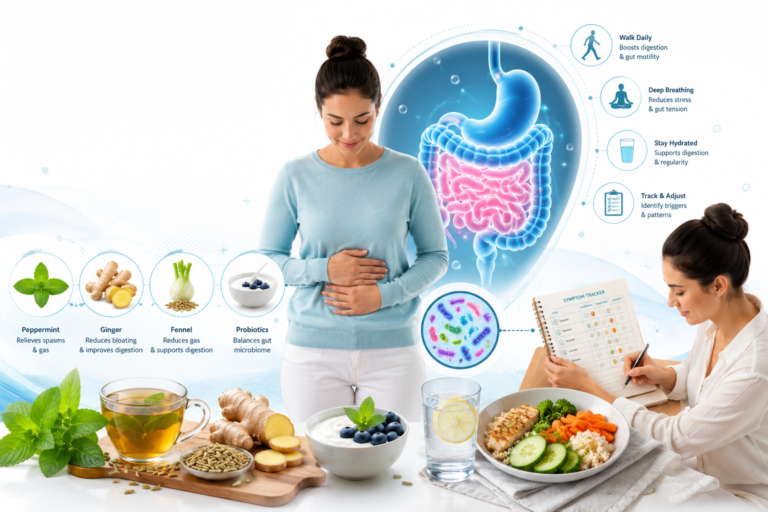
- Smaller, evenly spaced meals; peppermint tea; stress modulation.
Targeted support:
- Psyllium 1–2 tsp with water.
- Peppermint oil enteric-coated capsules for cramp relief.
- Electrolyte replenishment on high-output days.
- Evaluate bile acid diarrhea (if watery, post-cholecystectomy) with clinician; bile binders if indicated.
IBS-M (Mixed)
Hallmarks: Alternating constipation and diarrhea.
Strategy:
- Core low-FODMAP trial + personalized reintroduction.
- Keep psyllium as a backbone to stabilize form.
- Avoid trigger stacking (alcohol + high-fat + high-FODMAP together).
Whole-IBS adjuncts
- Gut-directed hypnotherapy, CBT for GI, yoga/breathwork.
- Sleep regularity; 10-minute walks after meals.
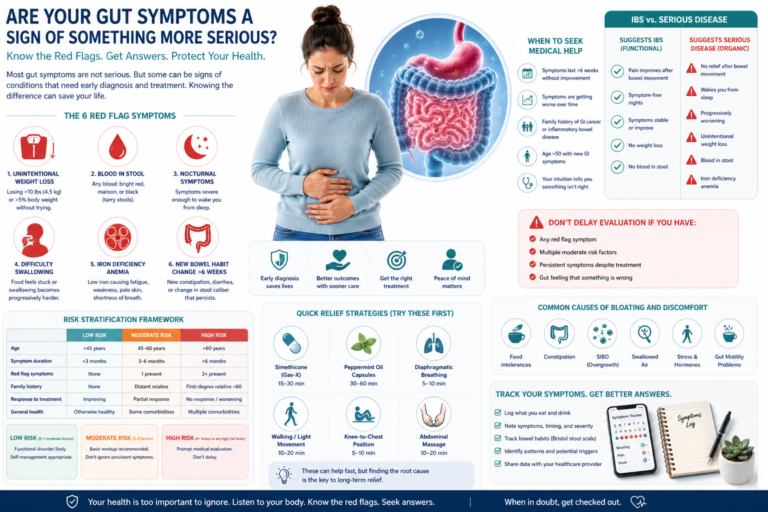
- Check for celiac, thyroid, iron/B12, CRP/fecal calprotectin if red flags present; consider SIBO breath test for refractory bloat.
Irritable Bowel Syndrome (IBS) Demystified: Symptoms, Diagnosis, and Effective Management Strategies
Introduction
Irritable Bowel Syndrome (IBS) is a common, chronic gastrointestinal disorder affecting millions worldwide. Characterized by uncomfortable symptoms, IBS significantly impacts quality of life. IBS is a functional disorder with no visible inflammation or damage, unlike Inflammatory Bowel Disease (IBD). This article demystifies IBS, covering its symptoms, diagnosis, and effective management strategies.
Understanding Irritable Bowel Syndrome (IBS)
Irritable Bowel Syndrome is a disorder of gut-brain interface, where the brain and gut communication is disrupted, leading to increased gut sensitivity and altered muscle contractions. Although the precise cause is unknown, contributing factors include [1]:
- Abnormal Gut Motility: Intestinal muscles contract too strongly or weakly.
- Visceral Hypersensitivity: Increased pain sensitivity in the gut.
- Gut-Brain Axis Dysfunction: Disrupted communication between brain and gut.
- Gut Microbiome Imbalance: Changes in gut bacteria (dysbiosis) may play a role [2].
- Genetics: A genetic predisposition may exist.
- Stress and Psychological Factors: Can exacerbate symptoms.
- Post-Infectious IBS: Can develop after severe gastroenteritis.
Common Symptoms of IBS
IBS symptoms vary widely and fluctuate. Common symptoms include [3]:
- Abdominal Pain and Cramping: Often relieved after a bowel movement, worse after eating.
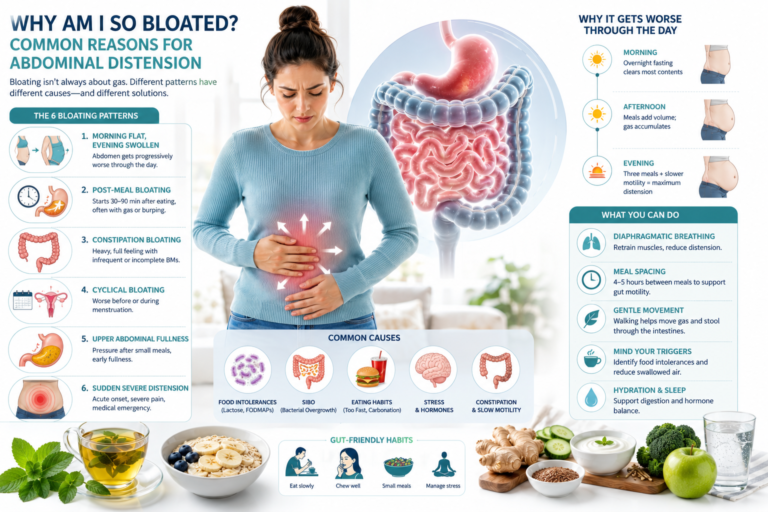
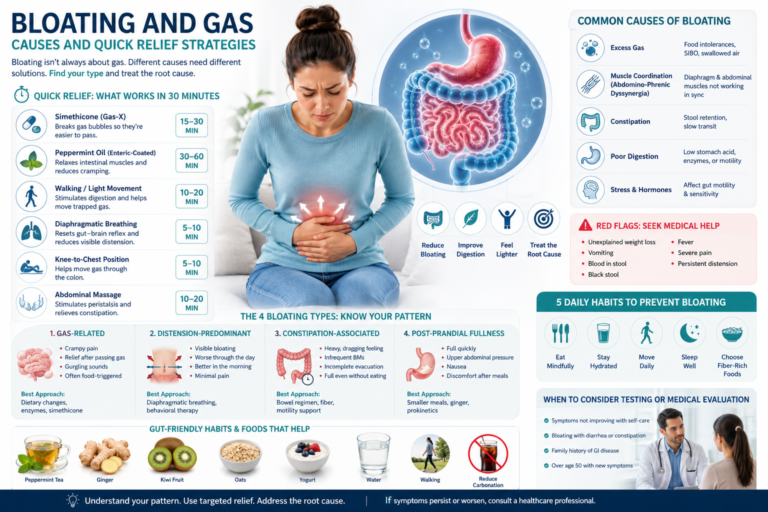
- Bloating and Gas: Feeling of fullness, often with excessive gas.
- Altered Bowel Habits:
- Diarrhea-predominant IBS (IBS-D): Frequent loose stools, urgency.
- Constipation-predominant IBS (IBS-C): Infrequent, hard stools, straining.
- Mixed IBS (IBS-M): Alternating diarrhea and constipation.
- Mucus in Stool: Common.
- Feeling of Incomplete Evacuation: After bowel movement.
Other associated symptoms can include fatigue, headaches, nausea, heartburn, backache, urinary issues, anxiety, and depression [4]. Proper diagnosis is essential as these symptoms can indicate other conditions.
Diagnosing IBS
IBS diagnosis is based on symptom review, medical history, physical exam, and ruling out other conditions [5]. The Rome IV criteria are used: recurrent abdominal pain (at least one day/week in last three months) associated with two or more of: related to defecation, change in stool frequency, or change in stool form [6]. Indications must have been given with symptoms starting at least six months prior. Tests to exclude other conditions include [7]:
- Blood Tests: For anemia, inflammation, celiac disease, thyroid problems.
- Stool Tests: For ensuring ruling out of infections, inflammation, or malabsorption.
- Endoscopic Procedures (Colonoscopy/Endoscopy): If alarm symptoms (e.g., unexplained weight loss, rectal bleeding, family history of IBD/colorectal cancer) are present, to rule out serious conditions.
Effective Management Strategies for IBS
Management of IBS requires a multi-faceted approach: diet, lifestyle, and sometimes medication.
- Dietary Modifications
Identifying and avoiding trigger foods is crucial:
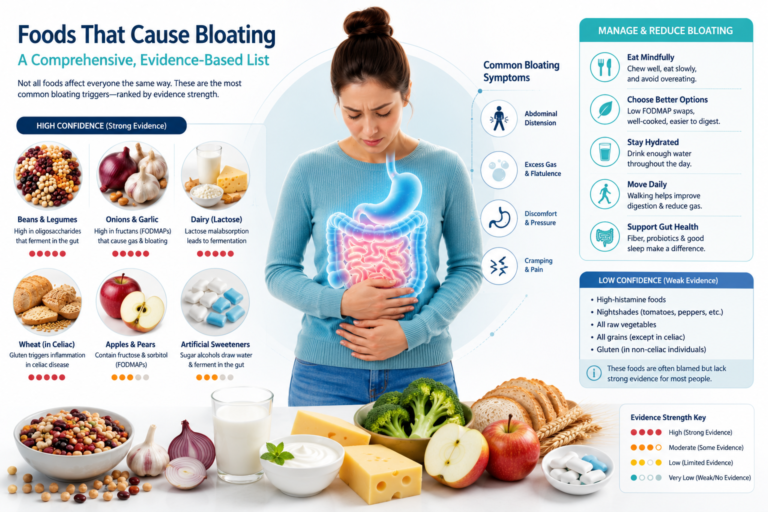
- Low-FODMAP Diet: Restricts fermentable carbohydrates that cause symptoms. Involves temporary restriction followed by reintroduction to identify triggers [8].
- Fiber Adjustment: Soluble fiber helps IBS-C; insoluble fiber may worsen IBS-D [9].
- Regular Meals and Portion Control: Helps regulate bowel function.
- Hydration: Essential for digestive health, especially for IBS-C.
- Avoidance of Trigger Foods: Common triggers include caffeine, alcohol, spicy foods, fatty foods, and artificial sweeteners. A food diary helps identify personal triggers.
- Pharmacological Interventions
Medications manage specific symptoms:
- Antispasmodics: Relax gut muscles, reducing pain and cramping [10].
- Laxatives: For IBS-C.
- Antidiarrheals: For IBS-D (e.g., loperamide) [10].
- Antidepressants: Low doses can reduce pain and improve mood [11].
- Probiotics: Certain strains may alleviate symptoms by rebalancing gut microbiome [12].
- Lifestyle Modifications
- Stress Management: Crucial due to gut-brain connection. Techniques: meditation, deep breathing, yoga, mindfulness, psychotherapy [13].
- Regular Physical Activity: Regulates bowel function, reduces stress [14].
- Adequate Sleep: Regulates gut-brain axis, reduces symptom severity.
Living with IBS
Living with IBS is challenging, but proper diagnosis and a personalized management plan can significantly improve symptoms and quality of life. It requires patience, self-awareness, and experimentation. Working with healthcare providers, including a gastroenterologist and a registered dietitian, is crucial for long-term management.
Conclusion
Irritable Bowel Syndrome is a complex but controllable condition. By understanding its symptoms, seeking proper diagnosis, and implementing a comprehensive plan addressing diet, medication, and lifestyle, individuals can regain control over their digestive health and improve overall well-being. The journey of management of IBS is unique for all, but with persistence and the right support, relief is achievable.
References
[1] Cleveland Clinic. (n.d.). Irritable Bowel Syndrome (IBS): Symptoms, Causes & Treatment. Retrieved from https://my.clevelandclinic.org/health/diseases/4342-irritable-bowel-syndrome-ibs
[2] Johns Hopkins Medicine. (n.d.). Irritable Bowel Syndrome (IBS). Retrieved from https://www.hopkinsmedicine.org/health/conditions-and-diseases/irritable-bowel-syndrome-ibs
[3] Mayo Clinic. (n.d.). Irritable bowel syndrome – Symptoms and causes. Retrieved from https://www.mayoclinic.org/diseases-conditions/irritable-bowel-syndrome/symptoms-causes/syc-20360016
[4] American Society of Colon and Rectal Surgeons (ASCRS). (n.d.). Irritable Bowel Syndrome Expanded Version. Retrieved from https://fascrs.org/patients/diseases-and-conditions/a-z/irritable-bowel-syndrome-expanded-version
[5] Mayo Clinic. (2024). Irritable bowel syndrome – Diagnosis and treatment. Retrieved from https://www.mayoclinic.org/diseases-conditions/irritable-bowel-syndrome/diagnosis-treatment/drc-20360064
[6] UpToDate. (2025). Clinical manifestations and diagnosis of irritable bowel syndrome in adults. Retrieved from https://www.uptodate.com/contents/clinical-manifestations-and-diagnosis-of-irritable-bowel-syndrome-in-adults
[7] National Institute of Diabetes and Digestive and Kidney Diseases (NIDDK). (n.d.). Diagnosis of Irritable Bowel Syndrome. Retrieved from https://www.niddk.nih.gov/health-information/digestive-diseases/irritable-bowel-syndrome/diagnosis
[8] Halmos, E. P., Power, V. A., Shepherd, S. J., Gibson, P. R., & Muir, J. G. (2014). A diet low in fermentable oligo-, di-, mono-saccharides and polyols reduces symptoms of irritable bowel syndrome in children. Journal of Pediatric Gastroenterology and Nutrition, 58(2), 259-265.
[9] NHS. (n.d.). Symptoms of IBS (irritable bowel syndrome). Retrieved from https://www.nhs.uk/conditions/irritable-bowel-syndrome-ibs/symptoms/
[10] Johns Hopkins Medicine. (n.d.). Irritable Bowel Syndrome Treatment. Retrieved from https://www.hopkinsmedicine.org/health/treatment-tests-and-therapies/irritable-bowel-syndrome-treatment
[11] Ford, A. C., Lacy, B. E., Talley, N. J., Quigley, E. M. M., & Moayyedi, P. (2017). American College of Gastroenterology Monograph on the Management of Irritable Bowel Syndrome and Chronic Idiopathic Constipation. American Journal of Gastroenterology, 112(Suppl 1), S1–S33.
[12] Hungin, A. P. S., Mitchell, C. R., McLaughlin, J., Randall-Smith, L., & de Wit, N. J. (2014). The prevalence of irritable bowel syndrome in patients in primary care: a systematic review. Alimentary Pharmacology & Therapeutics, 40(10), 1159-1172.
[13] Digestive Health. (n.d.). How to Manage Irritable Bowel Syndrome (IBS). Retrieved from https://www.digestive-health.net/blog/how-to-manage-irritable-bowel-syndrome-ibs/
[14] Management of irritable bowel syndrome: a narrative review. (2024). PMC. Retrieved from